Mobile app or website: how to decide for your business
A plain way to choose between a mobile app and a website for your business, based on who uses it, how often, and what the phone has to do.
InvoSpec SoftwaresPublished Updated 3 min read
Most businesses that ask us "should we build an app?" do not need one. Some do, and for them a website would be a mistake. The difference is not about how modern you want to look. It comes down to three questions about the people who will use it.
The three questions
Who uses it, and how often? An app lives on a phone and is opened by tapping an icon. That only works if the same people come back often: your staff every working day, or customers who order every week. Someone who buys from you twice a year will not install an app for it. They will search, land on a web page and expect it to work there.
What does the phone have to do? Some jobs need things only an installed app can do well. Working with no signal and syncing later. Tracking location in the background. Talking to a Bluetooth device, a card reader or a printer. Taking a photo, reading a barcode and stamping it with time and place. If your job needs any of these, build an app.
Where do people find you? New customers find businesses through search engines. A website is found by searching. An app is found in a store, usually by name, after someone already knows you. If your main problem is being found, start with the website.
When a website is the right answer
- Customers visit occasionally and arrive from a search or a link.
- The job is reading, choosing and filling in a form: booking, ordering, requesting a quote, checking a status.
- You want one thing to maintain, with no store review in the way of each change.
- You are not yet sure what people want, and you need to change the screens often.
A website built as a web application, with logins, records and rules behind it, does far more than a brochure. Customer portals, booking systems and internal dashboards are all websites in this sense. They work on phones too, because the screens adapt to the screen size.
When an app is the right answer
- The same people use it daily or weekly: drivers, technicians, nurses, members, regular customers.
- The phone must work offline, track location, scan, or talk to hardware.
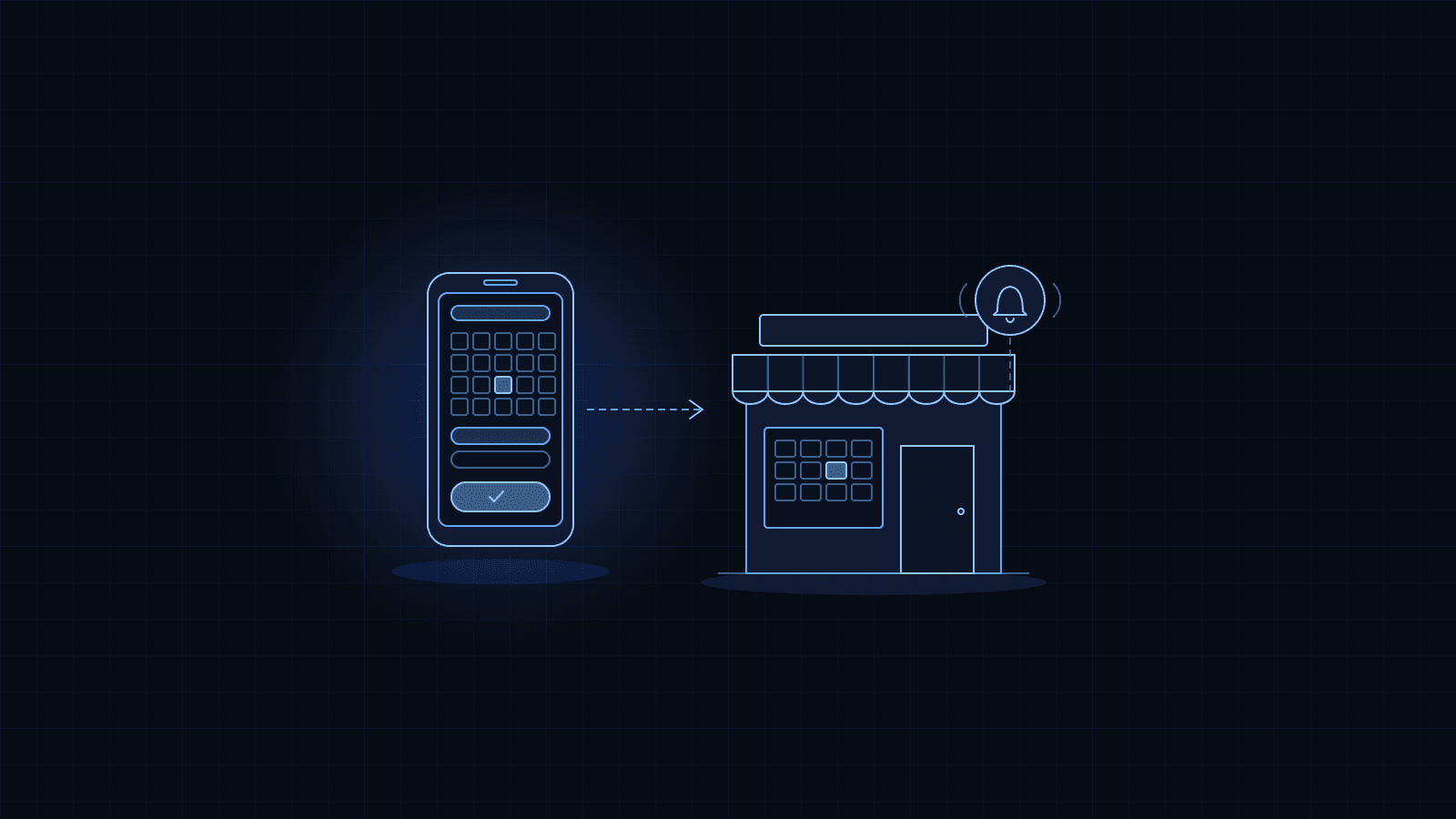
- Notifications are part of the job, not a nice-to-have: "your order is ready", "new job assigned".
- The experience depends on speed and feel, such as a consumer product people use for minutes at a time.
Both stores charge for a developer account. Apple's programme is an annual fee; Google Play's is a one-off registration fee. The amounts are on their pages, linked below. Store review also adds days to each release. None of this is a reason not to build an app, but it should be in the plan.
The most common answer: both, in order
For many businesses the honest answer is a website for customers and an app for staff. A clinic takes bookings on its website and runs the day on a tablet app at reception. A delivery company takes orders on a web portal and gives drivers an app.
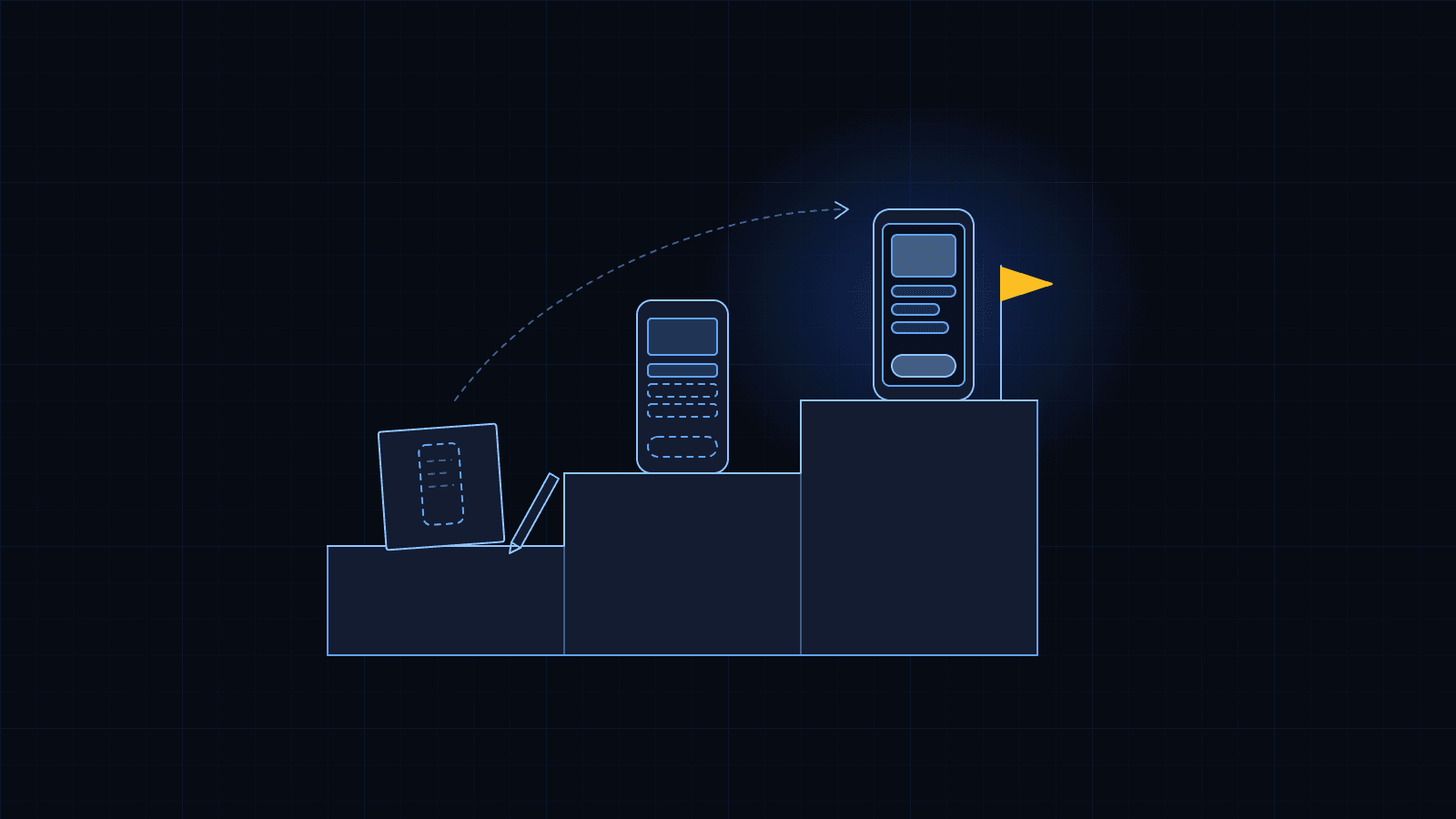
When that is the case, the order matters. Build the part that stores the records and applies the rules first, behind an API. Then build whichever screens matter most. The second set of screens, app or web, reuses the same engine. You pay for the engine once.
Questions to answer before you talk to a developer
- List the three people who will use it most. For each, say how often.
- Write down anything the phone must do: offline, location, scan, print, pay by card.
- Decide how new users will find it: search, a link you send, or the store.
- Say what has to change most often: prices, content, screens, rules.
Bring those answers to the first call and the app-or-website question usually settles itself in a few minutes. If it does not, that is a sign the right answer is a staged plan, and we will say so.
Common questions
- Can a website be installed on a phone like an app?
- Partly. A website can be added to the home screen and work offline for simple tasks. It cannot be listed in the app stores, and it gets limited access to things like background location, Bluetooth and some notification features. If those matter, build an app.
- If we start with a website, is the work wasted when we add an app later?
- No, if the website is built properly. The part that stores the records and applies the rules sits behind an API. The app talks to the same API. The screens are rebuilt; the engine is reused.
- Do we need both an iPhone and an Android app?
- Usually one codebase covers both. We build most apps with Flutter, so one team builds one app that runs on both kinds of phone.
Sources
- Apple Developer Program: membership details · checked 14 October 2026
- Google Play Console: register for a developer account · checked 14 October 2026